Regions - Spain and Portugal
The Grand Experiences
Andalucía
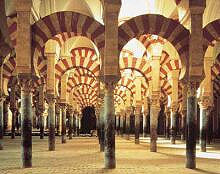
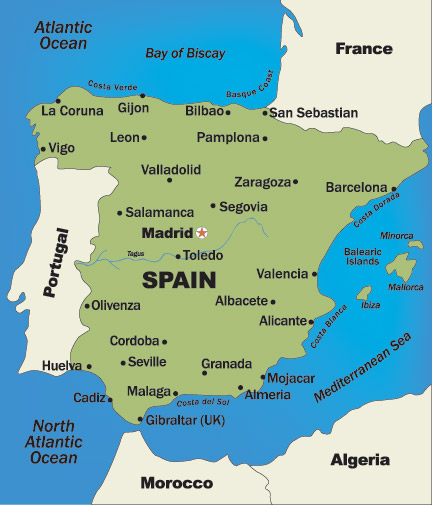
When you picture Spain, the southern region of Andalucía is what most likely comes to mind - flamenco music & dance, late night tapas, bull fighting, delicious food and stunning historical sights. You'll find a landscape that has been richly influenced by its former rulers, the Moors. Prime sights include Granada's Alhambra palace, Córdoba's mosque, Seville's Giralda Tower and the many brilliant white villages, or pueblos blancos, which dot the countryside. As you explore this region, you'll also get to stay in some remarkable accommodations, ranging from chic hotels to ancient palaces.
The architectural sights of Córdoba are impressive, such as the famous Mezquita mosque and chapel complex and the gardens at the Alcázar de los Reyes. You could also stroll through the old Arab and Jewish quarters, which are known for their narrow streets adorned with whitewashed houses boasting flower-filled patios and balconies.
In the shadows of the Sierra Nevada, Granada is home to the Alhambra, an immense Moorish palace. The Generalife, a 13th century building that overlooks this palace, is also worth a visit for its beautiful gardens and courtyards. The nearby Albayzin is one of the most characteristic neighborhoods of Andalucía. On its narrow streets, you will find examples of Arab architecture as well as many quaint teterías, or tea cafes. On another hill reside the gypsy caves of Sacromonte. The Camino del Sacromonte, its main street, is lined with caves that have been converted into restaurants and discotheques, a unique locale for experiencing Granada nightlife.
Jerez is a charming town known for its world-famous Sherry wine. You may tour some of the sherry bodegas where the wine is aged and bottled. It is the main "frontier" town of the southwest, along with the beautiful whitewashed village of Arcos.
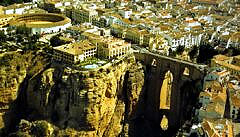
Ronda is one of the prettiest "white towns" in Andalucía. It is located in the Serranía de Ronda Mountains and is one of the oldest and most aristocratic places in Spain. The town is "split" by a fantastic gorge, offering incredible views. Ronda makes for an ideal stopover point as you head to Seville or Granada.
You are in the heart of Andalucian culture in Seville, the center of bullfighting and Flamenco music. There are many sights to visit in Seville such as the cathedral and its adjoining Giralda tower, the Real Alcázar (14th century Palace), and the colorful streets of the old Jewish quarter, the Barrio de Santa Crúz.
Costa del Sol
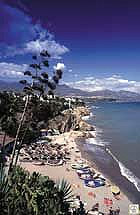
This highly developed resort area stretches along Spain's southern coast. For decades, it has been one of the prime beach and resort destinations in Europe. The towns of Marbella and Estepona have particularly drawn travelers in search of sand, views, and luxurious service, for which the tradeoff is a fairly high tourist volume when weather is good. Nonetheless, the Costa del Sol (also called the Costa del Golf for its numerous courses) still offers an abundance of facilities, a wonderful climate and plenty of Spanish hospitality. You can enjoy a plethora of water sports, ranging from sailing to jet skiing. The gateway to the Costa is Málaga, accessible by train or a flight from Madrid, and also reachable by a nonstop from London.
Málaga, the birthplace of Pablo Picasso, is the major city on the coast. Its narrow streets, historic buildings and quaint old-fashioned shops have remained largely unchanged despite the passage of time and the growth of industry on the waterfront. Places of interest the Alcazaba, Gibrálfaro Castle and the 16th -Century Málaga Cathedral. Málaga is also centrally located, which makes it an ideal base for visiting nearby towns.
The luxurious resort town of Marbella draws many visitors with its beautiful beaches. The Plaza de los Naranjos, "Orange Square", is a lively locale with art galleries, small shops, bars and bistros. Depending on the time of year, the plaza's trees and exotic plants boast their vibrant colors and hues. Take advantage of "la marcha", the nightlife, at Marbella's exclusive glam venues.
Estepona is a particular favorite for honeymooners, offering some seclusion from busy Marbella and its sister town of Torremolinos, and two of the finest resorts on the coast, whose extensive grounds contain medieval and even Roman ruins among lushly landscaped gardens.
Nerja, east of Málaga and perfect for a daytrip or quick overnight, is known for its lovely beaches and small coves, its seclusion, its narrow streets and courtyards, and its whitewashed flat-roofed houses. Unique attractions include the Cave of Nerja and the Balcón de Europa (Balcony of Europe), a palm-shaded promenade that juts out into the Mediterranean.
All of the Costa towns are ideal bases for daytrips to Gibraltar (governed separately from Spain), home to The Rock. There are tour services that take you to the top of The Rock for splendid views of the Strait of Gibraltar and the North African coast. From Spanish towns like Algeciras, you can even take a ferry daytrip or quick overnight to Morocco; our favoite spot is Tangier, where you can visit shops and cafes and look back at Spain from Africa!
Madrid and Barcelona
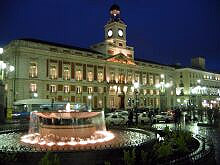
Spain has two true hearts in the remarkable cities of Madrid and Barcelona, both of which are appropriate for the start or finish to a romantic escape.
Madrid is Europe's highest capital (at 2100ft, higher even than Bern), and it is surprisingly compact. The main north-south artery, Paseo de la Castellana, connects the city's two main train stations, Chamartín and Atocha. The oldest quarters are squeezed in between Paseo del Prado (where you'll find the city's great art galleries and museums) and the Palacio Real to the west. Midway, the barrios south-east of Puerta del Sol leading to the working-class district of Lavapiés are filled with seemingly endless restaurants, bars and cafes.
A working, buzzing city, Madrid boasts a wonderful Metro system (which now connects the city center with the airport, greatly simplifying travel), and the human electricity that zips down its streets invigorates the first-time and veteran traveler. Accomodations are abundant and very nice, ranging from family-owned pensiones on the Puerta del Sol (the main square) to venerable hotels in the embassy district. New friends will happily point you to the opera, bullfight, and best restaurants for tapas, and will direct your attention to the many areas of interest even outside the old city confines - ruined churches and castles, hill towns, caves, and the nearby picturesque cities of Toldeo and Segovia.
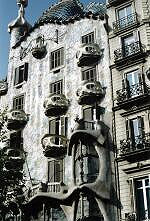
Across the central sierra, you'll find another friendly metropolis on the edge of the Mediterranean. Barcelona is one of the most dynamic and exciting cities on the western Mediterranean seaboard, promoting itself as a European metropolis, a link between the sub-Pyrenean peninsula and the heartland of Western Europe. It is a city that is hard to describe or picture until you get there - on the water, yet not really a marine city; old, and yet surprisingly fresh, with new construction from the '92 Olympics and the modern lines and fantastic shapes of Gaudi and Le Corbusier; down-to-earth, and yet very sophisticated, with hip Americans and European nouveau-riche mingling late into the night.
While the hotel industry is not as developed here as in many other parts of Spain, the wonderful museums and cosmopolitan culture are worth a special visit, and one can easily access the wonderful Pyrenean backcountry, with its cliffs, forests, and castles, with a short drive northward up the coast. In short, either gateway city can serve as a destination in and of itself, and allotting some time to explore the streets of either one will be well rewarded!
The Balearic Islands
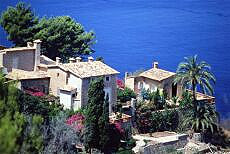
Floating in the Mediterranean between Spain and the North African coast, the strategically developed Balearic Islands are a favorite European getaway, and are alive with multinational vacationers all year round. This is hardly surprising considering what's on offer: fine beaches, neverending sunshine, good food and wonderful nightlife.
What is surprising is that, despite all this, the four main islands - Mallorca, Menorca, Ibiza and Formentera - have, to a degree, maintained their individuality. Beyond the bars, beaches and parties are Gothic cathedrals, Stone Age ruins, fishing villages, spectacular jungle paths and endless orchards of oranges and olives. Our favorite itineraries include a combination of ample time at a cliffside resort and spa with adventures in the backcountry - hikes, mountain vistas, and starry nights filled with the cuisine and music of a traditional village. Most likely, you will connect to these islands through the gateways of Palma or Ibiza on a short flight from Madrid or Barcelona, and will never want to leave after feeling heartbeat of the Balearic experience.
Lisbon and the Algarve Coast
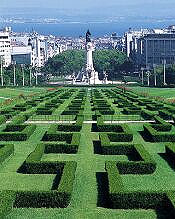
Lisbon is one of the smaller and most immediately enchanting European capitals. In its oldest quarters, brightly painted townhouses crowd narrow alleys, while in the grand 18th-century center, wide boulevards are bordered by mosaic sidewalks. The city became a flourishing trading center during 300 years of Moorish rule, and the foundations of the city's cathedral and castle retain strong influenecs of Arab architecture. To travel beyond the center, the unique local transit system, which includes elevators to negotiate the steeper hills, will help you understand why Portugal is often compared to San Francisco and also to Rome.
To the south of Lisbon is the fertile Algarve region, long-inhabited by farmers and vintners, and developed throughout the early 20th century by the British as a resort and retreat area. The cliff-studded interior rim of the Algarve is dotted with vineyards and medieval manors, while the coastal plains feature rolling dunes, white-washed towns, major resorts, and a significant acreage of golf courses. Time split between Lisbon and the Algarve forms the basis for a wonderful Portuguese itinerary; the region can also be accessed via a winding road from Seville in Spanish Andalucia.
The Grand Experiences
Cantabria
To the west of the Basques, just an hour's drive over the foothills of the Picos de Europa, is the city of Santander, gateway to the beautiful province of Cantabria. Cantabria is one of the oldest inhabited regions of Spain - the famous painted caves of Altamira date to 15,000 BC, Stonehenge-like circles tie the country to the Neolithic and Celtic cultures of early Britain, and Roman ruins testify to the presence of a mighty Imperial outpost. Today, the region is alive with history, with Celtic music accompanying dances and meals that last long into the night, happenings that are especially evident in Santander. The city's great cathedral overlooks two of the loveliest beaches in Spain - la Magdalena and el Sardinero - and the seaside taverns and shops are built almost vertically on top of one another as the ground quickly rises into the great hills and mountains of the countryside. The Cantabrian coast features wonderful hotels and intriguing paradores - converted historic castles and inns - at which to rest and dine after a day exploring history, making it a perfect complement to your journey in the Basque Country.
Basque Country
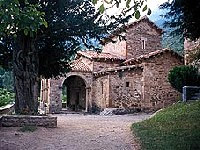
Just southwest of the Franco-Spanish and bathed by the Atlantic Bay of Biscay, the Basque Country is comprised of three main provinces: Vizcaya (which includes the sunny city of Bilbao); Guipuzcoa (home to the beaches San Sebastián); and Alava, where the Basque capital, Vitoria, lies. Navarre, east of Euskadi (the poetic and nationalistic name of the region) and part Basque in its upper reaches, and La Rioja, south of Euskadi and the premier Spanish wine country, are closely linked neighbors.
The entire region is packed with natural pleasures and artistic treasures, spread out between urban cultural centers and verdant countryside. From the industrial muscle and newfound artistic power of Bilbao (home to the Guggenheim museum, acclaimed as an architectural masterpiece) to the grace and lightness of San Sebastián, from the classical sweep of Pamplona to Vitoria's weathered stone or Logroño's streets looking out on the fruited plains of the Ebro valley, the five main cities have distinct characters to savor. In addition, the geographical gamut running from the Atlantic Ocean to the Pyrenees and Picos de Europa means that surfing, sailing, skiing, and mountain hiking are all within a 100-mile radius.
Santiago and Porto
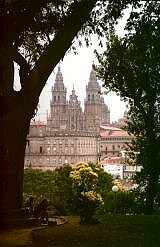
Transcending the northern Portuguese-Spanish border is a wonderful journey through a countryside filled with important religious shrines, ancient ruins, and dramatic castles. Santiago de Compostela was the most important European city after Rome for nearly 600 years, inspiring the Reconquest and the devotion of millions of pilgrims who traveled through France and northern Spain to worship at the shrine containing the bones of St. James, from whom the city takes its name. The amazing cathedral towers over the central square, where some of the oldest continuously operating hotels in the world can be found (several date from the 14th century or before) along with a vibrant artistic enclave of shops and open-air markets. Pilgrims still throng the streets and participate in continual festivals which bring the best musicians, bullfighters, and chefs to this far northwestern corner of the peninsula.
A pretty drive or train ride south from Santiago brings you along the Atlantic coast and through the Portuguese cordillera to Porto, in the coastal hills of one of the best wine-producing regions of Europe. The lovely surrounding Douro valley is home to several national parks, nature preserves, and interesting rock formations, once home to Neanderthals and later Paleolithic man. Porto is a perfect base for exploring the great castles of the seafaring Portuguese princes, the wineries and cellars of the Douro, and the forests of the North. Northern Portugal is also host to the best and most interesting pousadas, state-run inns in historic buildings outfitted with every modern luxury. An adventure between Santiago and Porto will be a mystical one, not soon to be forgotten.
Canary Islands
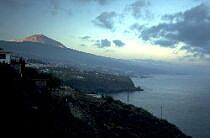
The Canary Islands are a volcanic chain off the northwest coast of Africa, proudly maintaining both African and Spanish traditions. While well known as a European beach resort destination, there is still plenty of subtlety, natural beauty, and authenticity, especially inland on the main isle of Tenerife. Other wonderful islands to visit are the volcanically-active desert isle of Lanzarote, the garden isle of La Palma, and the tiny, mountainous El Hierro looking out towards the open Atlantic. Tenerife, the principal gateway, is just over two hours from Madrid and four from London.