South America
Discovery at every turn
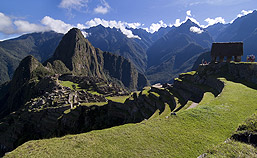
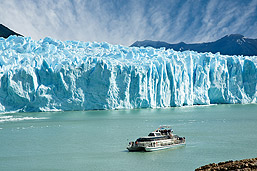
No matter which country may beckon you to South America, you can be sure that a vast array of unique experiences await! Whether it's trekking the Inca Trail to Machu Picchu, catching a tango show in Buenos Aires, or tasting the best vintages from Chile's wine country, a diverse and memorable voyage is guaranteed. And really, the possibilities are endless – how about scaling the glaciers of Patagonia, exploring the mysteries of Easter Island or enjoying the night clubs of Rio?
If you are seeking for something different and are keen to expand your travel horizons, South America is an excellent choice.
Just the Facts
Best suited for:
Those who are interested in indigenous culture, pre-Columbian societies and colonial history. People who have already explored the world a bit, have a sense of adventure, and feel they can travel in developing countries. Outdoorsy types, wine enthusiasts, and foodies. Those interested in vibrant cities (Rio, Buenos Aires), gorgeous beaches (Brazil, Uruguay), and mountains (Colombia, Ecuador, Peru, Chile, Argentina). People who can go with the flow and don't mind the occasional logistical inconvenience or slow service. It's a entire continent, so there is much to love for a variety of travelers.
When to go:
In Ecuador, the cooler months of June - September and the warmer ones of December/January are the busiest, and you'll find Galapagos cruises sell out well in advance (even though waters can be rough during these times). Rainy season is December - May. In Colombia, the best time to visit is the dry season; December – March and July/August. Temperature doesn't vary much, except with altitude (tropical at the beach, cold in the mountains).
Trekking is great in Peru during their winter, April – September, when it's drier. While November – February is warmer, rainy season can make a hike on the Inca Trail less pleasant (and it closes for a time during rainy season). In Chile and Argentina, the best time to visit Patagonia is November – March, when it's warmer, although often a bit windier. Wine country and the main cities are lovely to hot at the same time of year. The grape harvest typically occurs in February. If you enjoy skiing, June/July is a great time to hit the slopes in places like Bariloche. Beach season in Uruguay, specifically Punta del Este, is November – February. It never gets truly cold, but can drop down to the mid 40s (5-8C) in June / July / August.
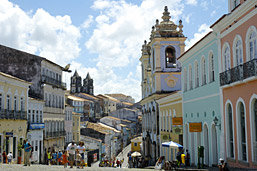
As a large country, Brazil always has sun and warmth – somewhere. Southern Brazil, including Rio, will be cool to temperate from May – September. Further north around Salvador and Trancoso, expect warm, beachy temperatures. The Amazon's dry season is June – December, and can be exceedingly hot. During wet season, clouds build up to big showers in the afternoon, but there is still plenty of sun. The Pantanal is very hot during rainy season, December-March, while its wetlands tend to dry out from August – November; it's a personal choice how you prefer to see the environment. Carnival typically takes place in February, so plan ahead or avoid accordingly.
In general, across the continent, Christmas/New Years and Easter Week are difficult times, as many business, wineries and attractions are closed, and people take time off to be with their families. Rio is the exception – New Year's Eve draws millions of people, for example.
Accommodations:
The large cities have large 5* luxury properties, slick design hotels, luxe private apartments, intimate boutique accommodations, and everything in between. Historical cities such as Cartagena and Cuzco tend to have interesting hotels refashioned from 16th century buildings. There is quite a lot of intimate vineyard accommodation in Chile and Argentina. In the jungle areas, look for small lodges among the forest, often raised in the canopies, or riverboats that ply the myriad waterways. In the mountains, there are ski resorts, chalets; mountain lodges, and of course, huts and tents for truly intrepid hikers. Brazil, Chile and Argentina all have accommodation on ranches, called estancias, so you can experience rural cowboy culture as well. You'll find large resorts and smaller charming seaside retreats on the beaches of Brazil and Uruguay.
Dining:
Expect interesting and previously unfamiliar fruits and vegetables to be incorporated alongside mains such as ultra-fresh fish, beef, chicken and lamb. The Argentineans and Brazilians are expert ranchers, so definitely seek out the perfect steak. The Andean countries offer hundreds of kinds of the humble potato, and interesting grains such as quinoa and multiple varieties of maize. Try the ceviche on the coasts, and the sushi in Peru, and wash it down with a Pisco Sour. Wine regions such as Argentina's Mendoza or Chile's Maipo valleys are home to up and coming chefs and fresh dining experiences. In the large cities, anything goes; expect restaurants serving all types of cuisine, with all types of ambiance, at all price points. Across the continent it can be fun to explore the local produce at an open-air market, and even take a private cooking class based on local ingredients.
Special Activities:
Café culture in Cartagena, colorful street markets in northern Ecuador, swimming with penguins in the Galapagos, private dining experiences in Lima, sunrise over Machu Picchu, flying over the Nazca lines, or expeditional cruising from Iquitos. Trekking in Patagonia, fly fishing in Chile's mountain streams, tango lessons in Buenos Aires, polo matches at an estancia, snowboarding in Bariloche, orcas on the Valdes Peninsula, and traversing the Beagle Channel like Darwin. Strolling the beaches of Rio, tracking wild things in the Pantanal, football (soccer) anywhere, clubbing in Sao Paulo, boat charter on the Amazon, capoeira in Salvador, or surfing in a cool town on Brazil's coast.
Regions - South America
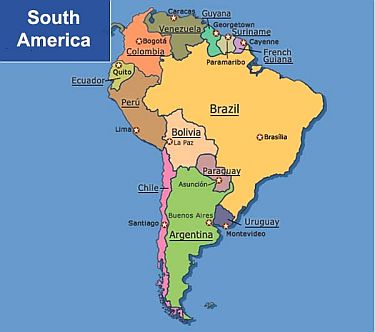
Click on each region in the left menu to learn more about that region.
Why South America
Reasons to choose South America:
To experience a lesser-touristed, off-the-path region. For incredible natural beauty and outdoor adventure. Unique wine, food, nightlife and city experiences. For access to diverse cultures whose traditional ways of life have been well-preserved.
Reasons to choose someplace else over South America:
If you need five star accommodations during your entire trip or top-notch service in every location, you will find parts of South America not up to your standards. Internal logistics can be time consuming and may involve several flights or ground transfers. As with many developing countries, you must be prepared to see local people with a different standard of living from your own. If this or the possibility of petty crime in some places is disturbing, you should consider another destination. Other than in Brazil or Uruguay, traditional beach experiences are difficult to find or non-existent. Language barriers are likely to be a factor to a certain degree.
Signature Itineraries - South America
All of our signature itineraries are fully custom tailored according to your interests and budget. The following sample itineraries are intended to provide a feel for what's possible.The Best of Argentina
Mendoza, Patagonia and Buenos Aires
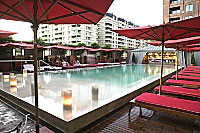
- Mendoza
- El Calafate (Patagonia)
- Buenos Aires
- Daily breakfast at Cavas Wine Lodge
- 60 minute massages for two
- Day trip to the Uco Valley with private guide and lunch included
- White water rafting in the Andean foothills while at Cavas
- And More!
All about the Beach in Brazil
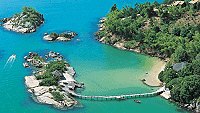
- Florianopolis
- Salvador
- Buzios
- Rio de Janeiro
- All meals at Ponta dos Ganchos
- Boat charter for a half day to explore the coast
- Private dinner on Ponta dos Ganchos' Island
- Capoeira lesson, Salvador
- Half day city tour in Rio including the rainforest and Corcovado mountain
Chile
From Vineyards to Mountains
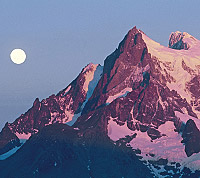
- Chilean Wine Country – Colchagua Valley
- Santiago
- Torres del Paine National Park, Patagonia
- All meals, tea and private wine tastings at Lapostolle Residence
- Couples massage while at Lapostolle
- Daily breakfast in Santiago
- Guided winery visits in the Colchagua Valley
- And More!
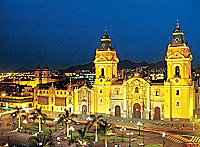
Uncovering Peru
Sacred Valley, Machu Picchu, Amazon Basin and Lima
- Cusco
- Sacred Valley
- Machu Picchu
- Amazon Basin
- Lima
- Breakfast and dinner every day in Cusco
- Half-day tour of Cusco and surrounding archeological sights
- Visits to villages in Sacred Valley
- Hiking, biking or riding one day in the Sacred Valley
- And More!